Project Overview:
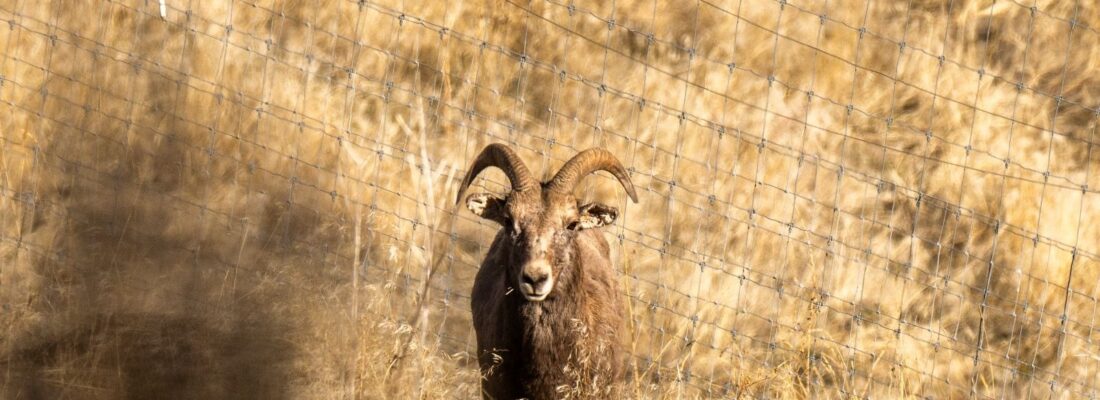
Over the past years, yilíkʷlxkn in the southern Okanagan have been experiencing a steady population decline. This decline is theorized to be due in part to infection by pneumonia (Mycoplasma ovipneumoniae (M.ovi)), psoroptes (Psoroptes cuniculi) mites and Blue Tongue as contributing factors to overall poor yilíkʷlxkn health.
To address this concern, the Okanagan Nation Alliance (ONA), in partnership with several organizations, has launched a drug trial project aimed at developing potential treatment strategies for wild sheep populations.
The project brings naturally infested bighorn sheep from the affected herds into four research enclosures and treat them with the long-acting ML, moxidectin (Cydectin 2% LA, Zoetis Ltd), a previously tested oral fluralaner treatment, or a combination treatment combining the ML and fluralaner. The information provided by this trial will form the foundation of future disease treatment initiatives. This research aims to provide wildlife managers with effective treatment options and information on the period of protection that animals could have before the first animals become susceptible to re-infestation from untreated herd mates. This information will form a crucial part of a future treatment plan for wild sheep populations.
Project Info Sheet:
Wild_Sheep_Update_Info_Bulletin_01Jan2025 (004)Project Updates:
Copy of Wild Sheep Update - e-newsClinical Trial Update:
_Bighorn Sheep Clinical Trial Update Dec 2025Disease Info:
Okanagan yilíkʷlxkn (Bighorn Sheep) InfoProject Media:
IndigiNews:
Okanagan researchers working to treat bighorn sheep disease
CBC News: