
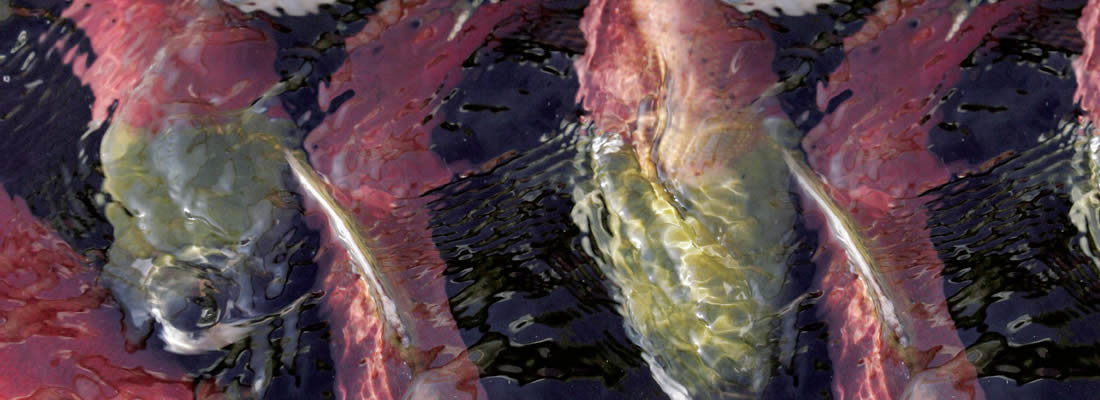
Extrapated or extinct species are at risk, ones that once thrived when the relationship with nature respected.
– nk̓lxʷcin, Chad Eneas, Knowledge Keeper
Ecological connectivity is the movement of living systems that unites tmxʷulaxʷ (land), siwlɬkʷ (water) and tmixʷ (all living things). When tmixʷ can move without barriers, ecosystems are able to flourish and remain healthy.
The Importance of Connectivity
Connectivity:
-
Protects wildlife, including species at risk (allowing them to forage, find appropriate shelter and have access to greater breeding populations which allows for genetic diversity)
-
Reduces conflict between people and animals
-
Supports natural systems that give us clean air, clean water, and food
-
Helps prevent soil erosion and groundwater loss
-
Provides natural areas that reduce flooding
-
Creates buffers that can slow wildfires
How we Create Connectivity:
-
Linking habitat areas with natural or planned corridors
-
Using buffer zones where needed
-
Adding small “stepping-stone” habitats when full corridors aren’t possible
Threats to Connectivity :
- Development and infrastructure
- Climate change
ONA is committed to ensuring that connectivity continues thrive and remains a top priority. Check out two of our main connectivity initiatives: k’nmalka (Kalamalka) Lake Wildlife Corridor and Okanagan Lake Dam Salmon Passage.