A project to create a new rearing habitat for chinook salmon along the Okanagan River.
BACKGROUND
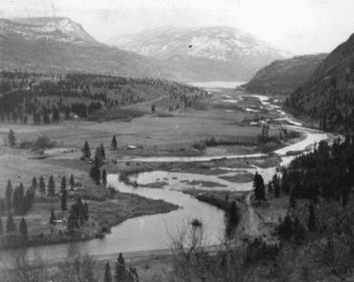
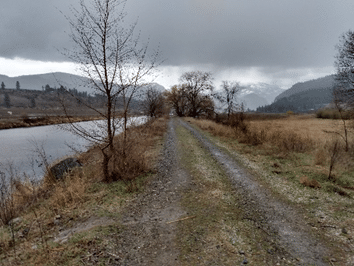
Historically, the Okanagan River naturally meandered through extensive wetlands and side channels that filtered sediment, improved water quality, and supported rich biodiversity. Mid-20th century channelization straightened the river and isolated the floodplain behind dikes to control flooding and support agricultural development. These alterations disrupted natural water flow, disconnected aquatic ecosystems, reduced habitat complexity, and contributed to declining fish populations and degraded water quality in Vaseux Lake.
PROJECT OVERVIEW
The Vaseux Floodplain Wetland Restoration Project is a collaborative ecological restoration initiative led by the Okanagan Nation Alliance (ONA) and the Osoyoos Indian Band within syilx territory, approximately 20 kilometres south of snpink’tn (Penticton), British Columbia. The project aims to restore critical floodplain and wetland functions along the Okanagan River while creating essential rearing habitat for juvenile Chinook salmon.
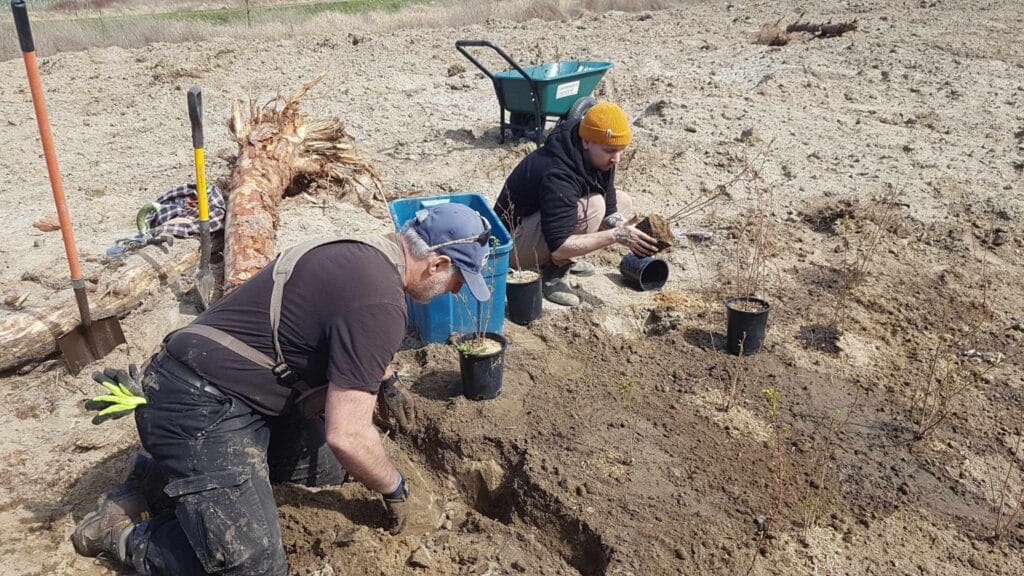
The restoration project seeks to reverse some of these impacts by reconnecting wetland ecosystems to the river and re-establishing natural ecological processes. The excavated pond and surrounding floodplain are being replanted with native vegetation, including bulrush, cattail, willow, cottonwood, wild rose, snowberry, chokecherry, hawthorn, and blue elderberry. These native species help stabilize soils, filter sediments and pollutants, improve habitat quality, and provide food and breeding areas for fish, birds, amphibians, and other wildlife.
Guided by syilx Knowledge Keepers, the project also recognizes the cultural and historical importance of wetlands as places of abundance, sustenance, and healing — described as both “a grocery store and a pharmacy.” The initiative aligns with a broader vision to restore the health of the Okanagan River system by reconnecting waterways, revitalizing salmon populations, and re-establishing functioning wetland ecosystems.
GOALS
- Support locally endangered plants like tule, (a tall, slender marsh plant which grows in muddy shores, shallow water, bearing small spikelets of brown flowers) black cottonwood, and water birch
- Provide rearing habitat for Chinook and other salmonids
- Contain breeding ponds for amphibians like tiger salamanders and spadefoot toads
- Cool, filter, and store water
- Trap sediment
- Dissipate some of the erosive energy of river
The scale and extent of development within the Okanagan River valley since European colonization continues to impede restoration. What makes this project special is that the Vaseux Floodplain area is one of the few places in the valley where floodplain reconnection doesn’t require the removal of buildings and other major infrastructure. This project will make a huge difference in our Chinook recovery efforts and continue to support kł cp̓əlk̓ stim̓ (cause to come back),” says Kasey Moran, Ecosystems Project Manager, Okanagan Nation Alliance.
Contact
Kasey Moran, Ecosystems Project Manager Ecosystems
Email: kmoran@syilx.org